
COLUMN
THE SKILL OF A MASTER
CRAFTSMAN.
Health Benefits of Matcha: Key Components and Their Effects
2026.08.24

Matcha contains a variety of naturally occurring compounds that support overall well-being, and recent scientific research continues to reveal new insights into their potential benefits. In this article, we explore the key components found in matcha, the health effects associated with them, and practical ways to incorporate matcha into daily life.
Why Is Matcha Considered Healthy?
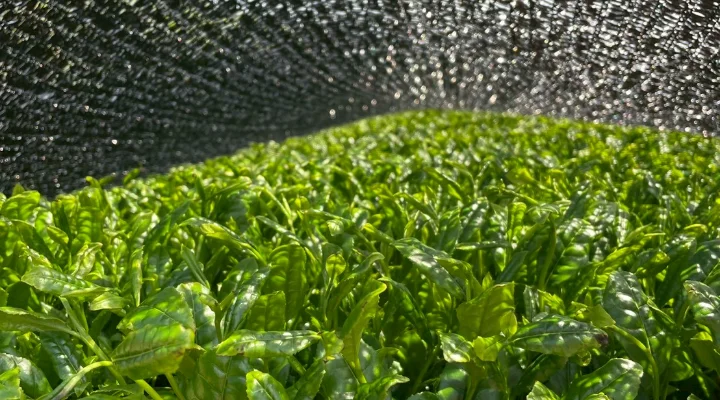
Unlike regular green tea, which is consumed as an infusion, matcha is made by whisking finely ground tea leaves directly into water. As a result, the entire leaf is consumed rather than just the extracted components.
Because of this unique preparation method, matcha allows for a more complete intake of beneficial compounds naturally found in tea leaves, including catechins, amino acids, vitamins, and caffeine.
Key Components Found in Matcha
Catechins
Catechins are among the most well-known polyphenols found in green tea. One of the most studied catechins is EGCG (epigallocatechin gallate), which has attracted attention for its strong antioxidant properties.
Research suggests that catechins may help neutralize free radicals generated within the body and may contribute to various physiological functions, including antioxidant activity, support for healthy blood sugar regulation, maintenance of vascular health, reduction of body fat and cholesterol levels, as well as antibacterial and antiviral effects.
L-Theanine
L-theanine is a unique amino acid responsible for the rich umami flavor characteristic of high-quality tea.
The tea leaves used for matcha are shade-grown before harvest, allowing higher levels of theanine to remain in the leaves. Recent studies suggest that L-theanine may help support stress management and cognitive function, while also promoting a relaxed yet attentive mental state.
Vitamins
Matcha also contains a range of vitamins, including vitamin A (in the form of beta-carotene), vitamin C, and vitamin E.
In particular, vitamins C and E are known for their antioxidant properties and are often discussed alongside catechins as compounds that help protect the body from oxidative stress.
Caffeine
Caffeine is another important component of matcha. While caffeine is commonly associated with alertness and wakefulness, matcha offers a distinctive advantage: it naturally provides caffeine together with L-theanine.
Because L-theanine is known for promoting relaxation, the combination of these two compounds may help create a calm and sustained sense of focus that differs from the sharper stimulation often associated with coffee. For this reason, matcha has become popular around the world as a beverage for those seeking concentration without excessive nervousness.
However, because matcha does contain caffeine, consuming it late in the evening may affect sleep quality for some individuals.
Antioxidant Activity and Healthy Aging
Free radicals are naturally produced through metabolism, stress, and environmental factors. When present in excess, they may contribute to cellular damage and are often associated with aging and various lifestyle-related health concerns.
Catechins found in matcha are known for their antioxidant activity, which helps neutralize these free radicals. Among them, EGCG has been particularly recognized for its high antioxidant potential and continues to be a focus of health-related research.
Potential Relationship with Stroke Risk
One area of growing interest in tea research is its relationship with cerebrovascular health.
A meta-analysis published in 2023 reported that people who regularly consumed higher amounts of green tea tended to have a lower risk of stroke. Researchers suggest that catechins may contribute to this association through their antioxidant properties and their potential benefits for vascular function.
In addition, L-theanine has been studied for its potential neuroprotective effects, leading researchers to explore its possible role in supporting long-term brain health.
Why Is Matcha Studied in Cancer Research?
Catechins have attracted scientific attention in cancer research for many years.
Recent studies suggest that EGCG, found in abundance in both matcha and green tea, may influence processes related to cancer cell growth and inflammation. Researchers are also investigating whether catechins may affect mechanisms involved in the spread of cancer cells and whether they could one day complement existing cancer therapies.
Several epidemiological studies have further reported associations between regular green tea consumption and a lower incidence of certain cancers. However, it is important to note that current evidence does not prove that drinking matcha can prevent cancer. Matcha should be viewed as part of a balanced and healthy lifestyle rather than as a treatment or preventive measure.
How Much Matcha Should You Drink Each Day?
For most people, one to two servings per day, equivalent to approximately 1 to 4 grams of matcha, is considered a practical and sustainable amount.
For healthy adults, daily caffeine intake is generally recommended to remain below approximately 400 mg per day. Since matcha typically contains around 30 to 40 mg of caffeine per gram, a daily intake of roughly 10 grams of matcha would represent an upper guideline based on caffeine content alone.
While studies have examined a variety of green tea consumption levels, moderation and consistency are generally considered more important than consuming large amounts.
Recommended Times to Drink Matcha
In the Morning
A cup of matcha in the morning can be an excellent way to start the day.
The combination of caffeine and L-theanine may help promote alertness while maintaining a calm and focused state of mind.
Before Work or Study
Matcha is also well suited for periods that require concentration.
Rather than producing a sudden surge of stimulation, it is often appreciated for supporting steady focus and mental clarity.
Before or After Exercise
Matcha can be a beneficial addition to an active lifestyle, whether consumed before or after physical activity such as walking, running, or gym training.
The caffeine in matcha may help support focus and endurance during exercise, while the combination of caffeine and L-theanine may contribute to improved mental readiness before a workout.
Exercise naturally increases the production of free radicals within the body. Because matcha contains high levels of antioxidant catechins, it is increasingly recognized as a beverage that may help support recovery and overall physical conditioning when combined with regular exercise habits.
Conclusion
Matcha is far more than a traditional Japanese beverage.
With catechins that contribute antioxidant activity, compounds that are being studied for their potential relationship with vascular and brain health, and L-theanine that may support relaxation and concentration, matcha offers a unique combination of functional components.
Yet perhaps one of its greatest benefits lies beyond nutrition.
Preparing and enjoying a bowl of matcha creates a moment of calm in an otherwise busy day. It is an opportunity not only to nourish the body, but also to pause, reflect, and reconnect with oneself.
In that sense, matcha may be as much about well-being as it is about health.