
COLUMN
THE SKILL OF A MASTER
CRAFTSMAN.
Why Is Japanese Matcha So Highly Regarded Around the World?
2026.06.12
In recent years, matcha has become widely embraced across the globe.
It has found its way into cafés and restaurants, and even into everyday life, evolving beyond the realm of a simple beverage to be appreciated as a cultural expression in its own right.
At the same time, as demand continues to grow, the production of matcha has expanded in various countries, including China.
Amid this shared use of the word “matcha,” what is it that allows Japanese matcha to maintain its esteemed reputation?
Depth of Flavor Created Through Meticulous Craftsmanship
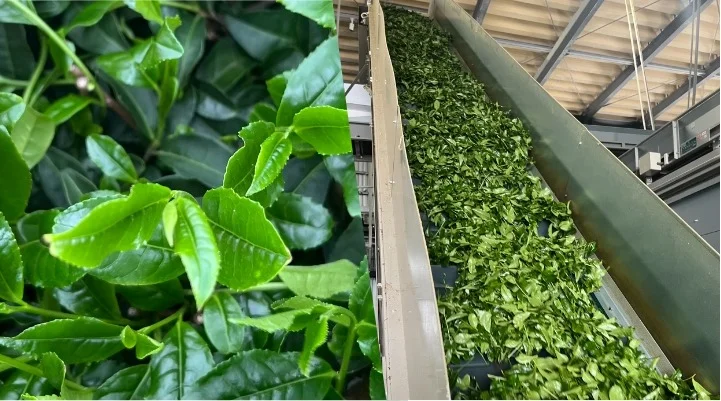
Japanese matcha begins with the cultivation of tencha, the raw material from which it is made.
Before harvest, the tea plants are shaded from sunlight, a process that draws out their natural umami, and only carefully grown young leaves are selected.
These leaves are then steamed, dried, and slowly ground using traditional stone mills.
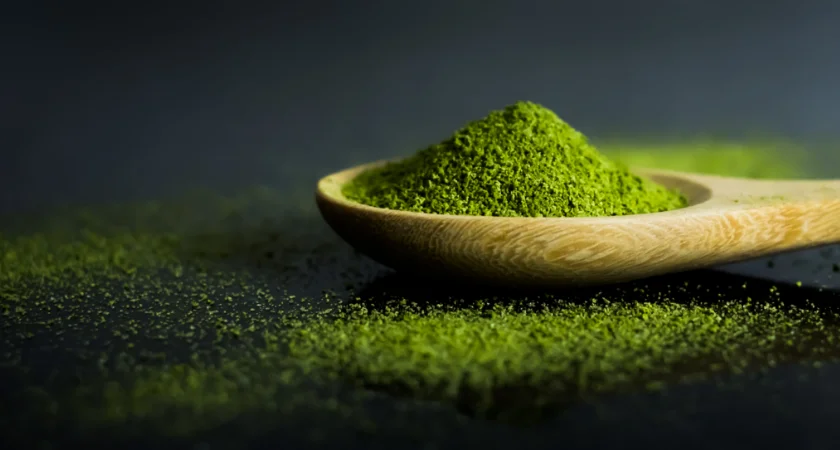
Through this series of deliberate processes, the tea is transformed into a finely textured powder, resulting in a smooth and deeply layered flavor.
While efficiency and mass production are important in meeting demand, replacing stone grinding with mechanical mills is said to increase productivity by anywhere from 10 to 200 times. However, this can come at the cost of matcha’s inherent aroma and its vibrant color.
For this reason, even among powdered teas, those produced by stone grinding and those processed by mechanical milling exhibit clear differences in taste and finish.
Differences from Overseas Production
In recent years, matcha produced in China has gained attention as its presence grows alongside rising global demand.
Much of this production is intended for use as an ingredient, with a focus on achieving a balance between stable supply and cost.
Such matcha is often chosen as a convenient way to add color and flavor to sweets and beverages, making it well-suited for applications where uniformity, affordability, and consistent supply are required.
In contrast, Japanese matcha has been cultivated primarily with the intention of being enjoyed as a beverage.
Great care is given to its umami, aroma, and lingering aftertaste, and it is often selected in contexts where refined and delicate flavors are essential.
Thus, although both are referred to as “matcha,” their roles and characteristics differ.
Choosing the right type according to purpose and use is key.
The Value of Experience
In Japan, matcha has been nurtured alongside the tradition of the tea ceremony.
The act of preparing the tea, the surrounding space, the philosophy of Zen, and the spirit of hospitality—all come together as one.
Through this integration, matcha becomes not merely something to taste, but something to experience.
This cultural context represents a form of value that cannot be measured by flavor alone, and it continues to be shared with the world today.
Even as matcha spreads globally, the experience of enjoying a single bowl in Japan is often perceived as something uniquely special because of this very heritage.
In modern times, matcha has also become associated with health and aesthetics, broadening its appeal even further.
Now that it has spread worldwide, these subtle differences may be conveyed ever more quietly—yet with undeniable clarity.