
COLUMN
THE SKILL OF A MASTER
CRAFTSMAN.
Exploring Matcha Menus Around the World
2026.10.29
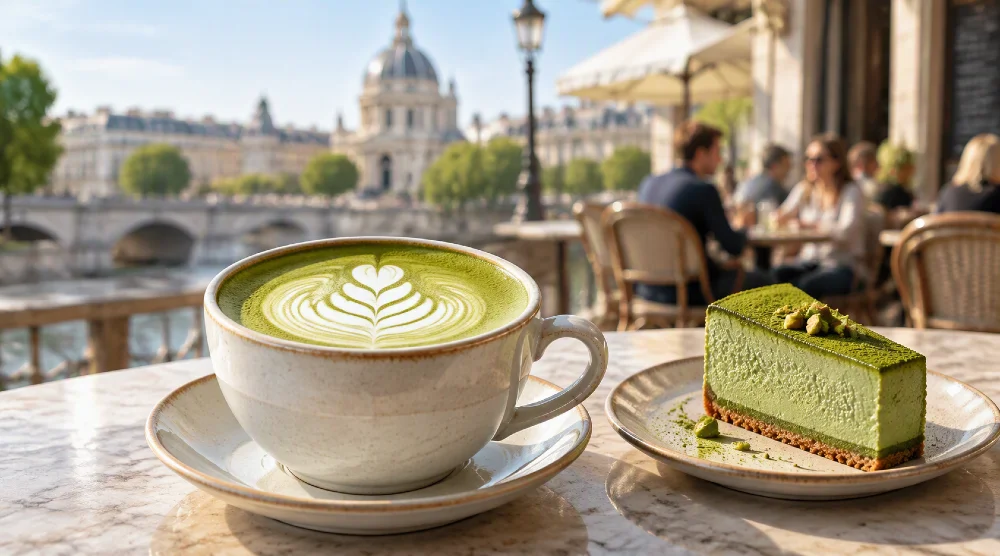
In recent years, matcha has expanded beyond its traditional role as a Japanese beverage to become a popular ingredient enjoyed around the world. Once found primarily in Japanese restaurants and Asian cafés, matcha is now featured on menus at cafés, bakeries, and dessert shops across Western countries and other international markets.
Several factors are driving this trend, including growing interest in health and wellness, increasing fascination with Japanese culture, and product innovation that highlights matcha’s distinctive color and flavor. Its applications continue to diversify, spanning beverages, desserts, and products aimed at health-conscious consumers.
This article explores popular matcha menu items and emerging trends in international markets, examining the factors behind matcha’s growing appeal.
What Makes Matcha Popular Around the World?
The growing popularity of matcha in international markets can be attributed to several factors, including interest in health and wellness, appreciation of Japanese culture, and a growing preference for high-quality products.
Matcha contains caffeine and L-theanine, making it an alternative to coffee with a distinct flavor profile. Its vibrant green color also lends itself well to visually appealing beverages and desserts. In addition, the growing popularity of sharing photos and videos on social media has helped increase interest in colorful, visually distinctive menu items.
As interest in Japanese culture continues to grow, consumers are also showing greater interest in matcha selected for its origin, production methods, and quality. Together, these factors have positioned matcha as both an everyday beverage and a premium ingredient that can add a special touch to food and drink offerings.
Matcha Lattes Evolve Beyond the Classics
One of the most popular matcha-based beverages in international markets is the matcha latte. In recent years, a wide variety of creative versions have emerged, featuring different types of milk and combinations with fruit.
Strawberry Matcha Latte
This layered drink combines matcha with strawberry milk. Its striking pink and green contrast makes it visually appealing as well as flavorful. The combination of colors also offers opportunities for cafés to develop signature drinks with their own distinctive presentation.
Oat Milk Matcha Latte
Matcha lattes made with plant-based milk, such as oat or almond milk, offer another popular option. These beverages can cater to a range of preferences, including those of consumers who wish to limit dairy intake or prefer plant-based foods. Because different types of milk affect the flavor and mouthfeel, they also provide opportunities for cafés to create their own signature recipes.
Coconut Matcha Latte
This beverage combines matcha with the smooth, mellow flavor of coconut. Its tropical character makes it an appealing option for cafés looking to create customized drinks that reflect their location or brand concept.
Fruit and Matcha: Expanding Flavor Possibilities
Combining matcha with fruit creates new flavor possibilities. The sweetness and acidity of fruit can complement matcha’s characteristic bitterness and umami, adding complexity and making matcha-based beverages more approachable for consumers who may be less familiar with its flavor.
Popular combinations include:
Strawberry matcha
Mango matcha
Peach matcha
Pineapple matcha
Yuzu matcha
Fruit can help create a more approachable flavor profile while allowing matcha’s distinctive character to shine through. Fruit-based drinks can also stand out visually, making them suitable for seasonal offerings and original signature beverages.
These creative combinations illustrate how matcha is being embraced not only in traditional preparations but also as a versatile ingredient that can adapt to contemporary food preferences and diverse lifestyles.
Matcha Gains Ground in the Dessert Market
Matcha’s applications extend well beyond beverages. Bakeries, cafés, and ice cream shops are also incorporating its distinctive color and flavor into a growing variety of products.
Matcha Croissants
Croissants and Danish pastries filled with matcha cream are examples of how matcha can be incorporated into baked goods. The rich flavor of butter pairs well with matcha’s subtle bitterness, creating a distinctive balance of flavors.
Matcha Cheesecake
The rich, creamy flavor of cheese pairs well with matcha’s subtle bitterness, making this combination suitable for a wide range of offerings, from café desserts to specialty shop products. Matcha can add a distinctive twist to classic cheesecake while giving it a unique flavor profile.
Matcha Gelato and Ice Cream
Gelato and ice cream offer another popular way to enjoy matcha in a chilled dessert. Highlighting the origin of the tea leaves, cultivar, or production methods can help communicate a commitment to ingredient quality and support the development of premium products.
Matcha Meets Bubble Tea: New Ways to Enjoy the Flavor
Originating in Taiwan, bubble tea is a beverage culture built around customizable drinks and the varied textures of toppings such as tapioca pearls. Known internationally as “boba,” bubble tea comes in a wide range of varieties featuring different teas and flavors.
As interest in matcha grows in international markets, matcha drinks are appearing in more variations. Beyond the classic matcha latte, beverages that combine matcha with tapioca pearls and other toppings offer additional ways to enjoy this versatile ingredient.
Potential menu variations include:
Matcha Tapioca Milk Tea: Combines the rich flavor of matcha and the creaminess of milk with the chewy texture of tapioca pearls.
Matcha Boba Drinks: Matcha-based beverages that can be customized with tapioca pearls and other toppings according to individual preferences.
Matcha with Cheese Foam: A matcha drink topped with creamy cheese foam, creating an interesting contrast in flavor and texture.
The appeal of these beverages lies in the combination of matcha’s distinctive flavor and color with the richness of milk and the textures of various toppings. By adjusting sweetness levels and toppings, customers can also enjoy the experience of finding a drink that suits their personal preferences.
Once enjoyed primarily as a traditional Japanese tea, matcha has evolved into a versatile ingredient that can be enjoyed in many forms, including lattes, desserts, and customizable beverages.
Matcha Expands into Health-Conscious Food Products
Beyond beverages and desserts, matcha can also be used in product development for protein drinks, nutritional supplements, and other health-oriented food products. Its distinctive flavor and color can be combined with other ingredients to create new product concepts.
Examples of potential ingredient combinations include:
Matcha and protein
Matcha and collagen
Matcha and probiotics
Matcha and superfoods
These combinations offer ideas for product development that connect matcha with areas such as sports nutrition, beauty, and wellness. However, combining ingredients does not in itself guarantee any particular health benefit. When developing products for commercial sale, it is important to review the ingredients, supporting scientific evidence, and applicable labeling regulations in each target market.
In addition to enhancing the flavor of beverages and desserts, matcha offers a range of possibilities as an ingredient across diverse food and beverage categories.
Matcha Quality and Applications: Key Considerations for Product Development
When developing products that use matcha, it is important to select ingredients based on the intended application, taking into account quality, flavor, and color.
For beverages such as matcha lattes, compatibility with milk and other ingredients is an important consideration. For bakery products and desserts, heat exposure during processing and interactions with other ingredients must also be taken into account. Selecting matcha suited to the intended application makes it easier to achieve the desired flavor and color.
A reliable supply of raw materials is another important consideration for manufacturers seeking to produce and sell products consistently. The supply and demand of tencha—the shade-grown tea leaves processed into matcha—are influenced by market demand and production capacity. For food and beverage businesses, securing a stable supply of the required ingredients is just as important as maintaining product quality.
When planning products that incorporate matcha, businesses need to consider not only consumer preferences and menu trends but also the desired flavor profile, quality requirements, and suitability of the ingredients for the manufacturing process. These factors are essential to successful product development.
Conclusion
In international markets, matcha is being incorporated into a wide range of products, from matcha lattes and fruit-based beverages to baked goods, desserts, and health-oriented food products. Matcha is both a symbol of traditional Japanese culture and a versatile food ingredient that can be adapted to contemporary tastes and diverse lifestyles.
This variety of applications offers valuable inspiration for Japan’s tea industry and food-related businesses seeking new product development opportunities.
When developing products for international markets, it is important to understand regional food preferences and menu trends while selecting ingredients with quality characteristics suited to the intended application. Exploring the many ways matcha can be enjoyed can help businesses identify new opportunities for innovative products and menu offerings.